
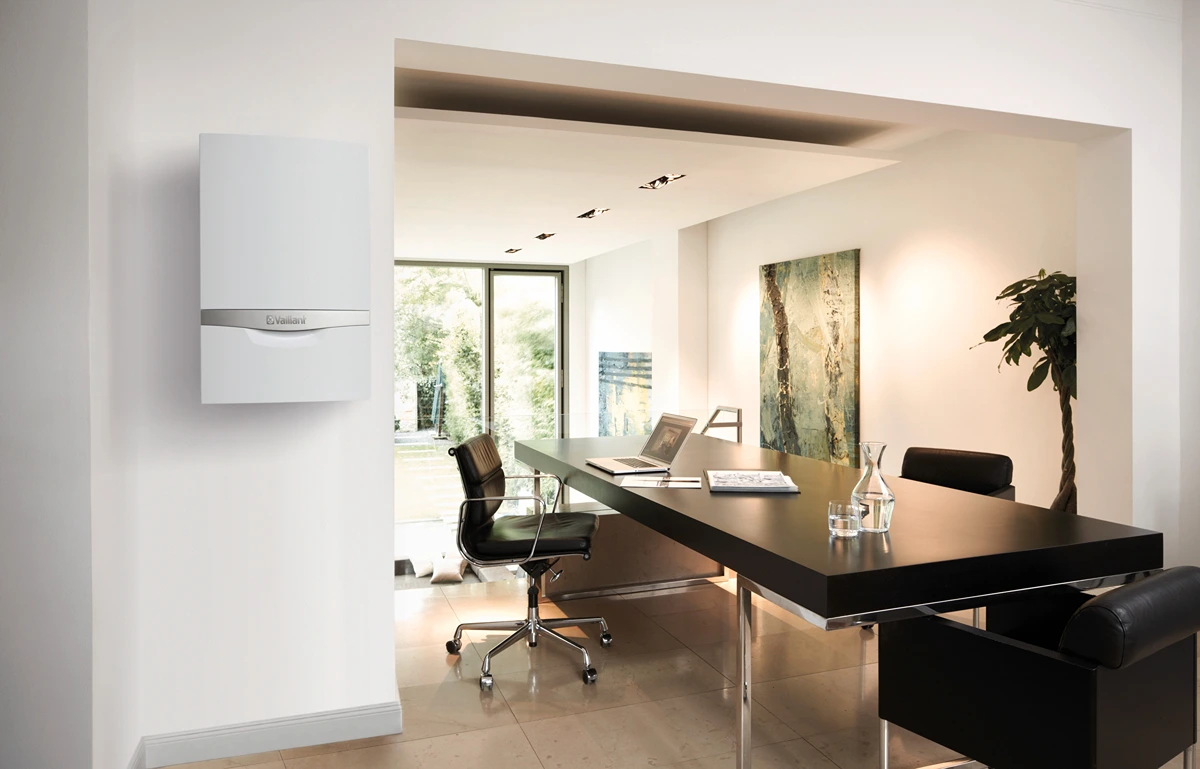
As the frost begins to settle on the Highlands and the wind picks up across the Central Belt, many homeowners start to wonder if their heating system will survive another winter. We have all been there, staring at the pressure gauge or listening to that strange clunking sound coming from the airing cupboard, hoping it will just hold on for one more season. However, the reality of living in the north means that our reliance on central heating is far higher than in other parts of the UK. When your old unit starts to flicker out, looking into the options for new boilers Scotland homeowners can access becomes less of a luxury and more of a necessity for survival and comfort.
The transition to a modern heating system is often driven by the desire to reduce energy bills, which have become a significant concern for families across the country. Older boilers are notoriously inefficient, often operating at around 60% to 70% efficiency. This means that for every pound you spend on gas, thirty to forty pence is literally escaping through the flue. Modern condensing boilers, by contrast, operate at over 90% efficiency, making a tangible difference to your monthly outgoings from the moment they are commissioned.
Why energy efficiency isn’t just a buzzword
In recent years, the conversation around home heating has shifted. It is no longer just about getting the radiators hot; it is about how much energy is wasted in the process. Scotland has some of the oldest housing stock in Europe, which presents unique challenges for insulation and heat retention. When you install a new system, you are not just buying a metal box for your kitchen wall; you are investing in a piece of technology designed to modulate its output based on the actual heat demand of your rooms.
Modern systems utilise advanced weather compensation technology and smart controls that allow you to manage your heating from your phone. This level of control is particularly useful in Scotland, where the weather can change from sunshine to a blizzard in the space of an afternoon. By being able to adjust your heating remotely, you ensure that you are never heating an empty house, further driving down those stubborn utility costs.
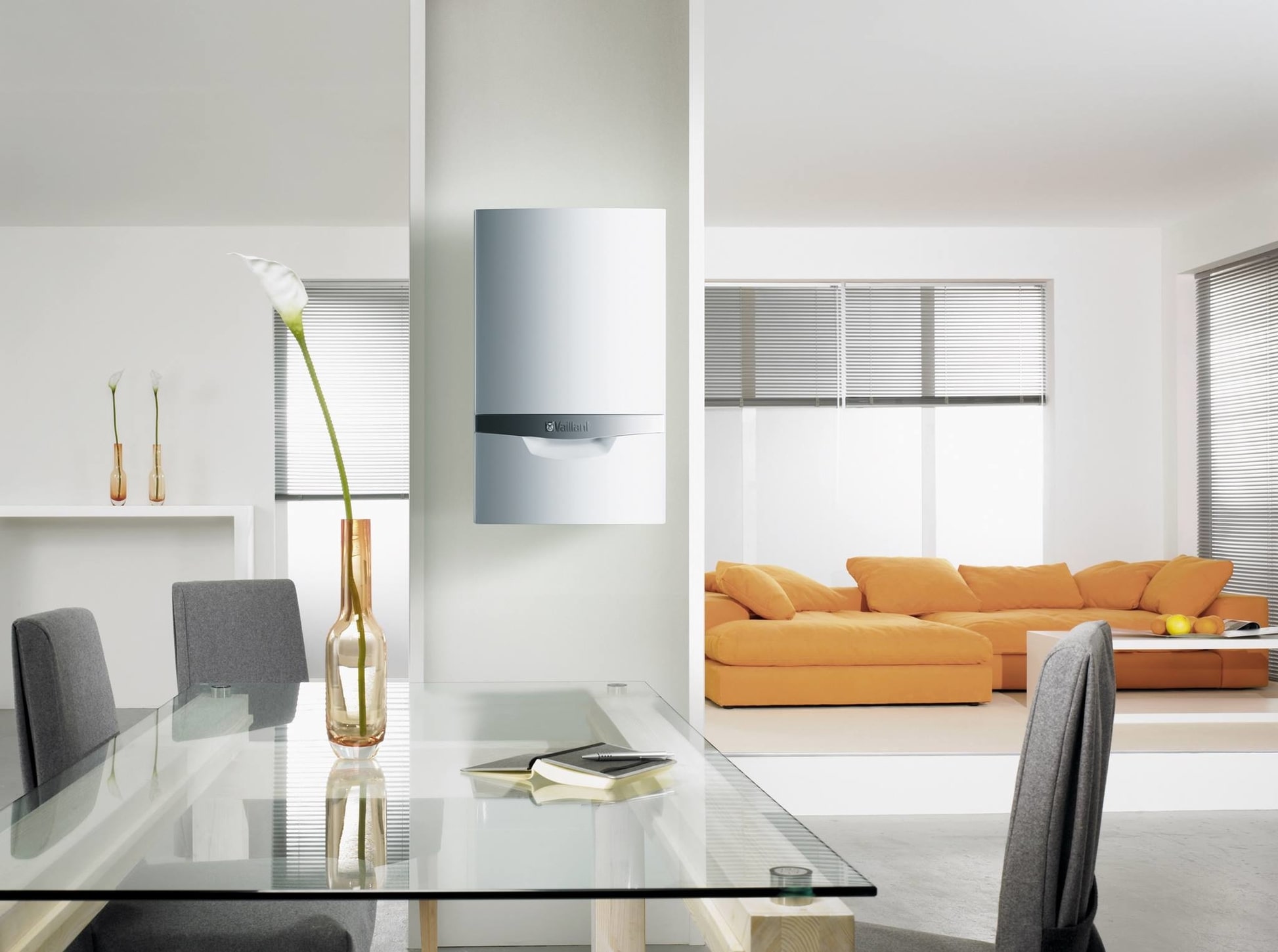
Figuring out which boiler actually fits your lifestyle
Choosing a new unit is not a one-size-fits-all situation. The layout of your home, the number of bathrooms you have, and even your daily routine will dictate which type of system is most suitable. Most Scottish homes will fall into one of three categories when it comes to their heating needs:
- Combination Boilers (Combis): These are the most popular choice for smaller homes and flats. They provide heat and hot water directly from the mains without the need for a storage tank, saving significant space.
- System Boilers: Best suited for homes with more than one bathroom, these require a cylinder to store hot water but don’t need a tank in the loft. They are great for delivering a high flow rate to multiple taps simultaneously.
- Conventional (Heat Only) Boilers: Often found in older, larger properties, these work alongside both a cold water tank and a hot water cylinder. They are ideal if you have older radiators that might not handle the high pressure of a combi system.
How to find the right team for new boilers Scotland
Finding a reliable installer is arguably more important than the brand of the boiler itself. A poorly installed unit will never reach its peak efficiency and may even be dangerous. When it comes to sourcing and installing new boilers scotland residents often feel overwhelmed by the sheer number of options available, but focusing on local expertise usually yields the best results. Local engineers understand the specific challenges of the Scottish climate and the typical plumbing configurations found in tenements, villas, and new-build estates alike.
It is essential to ensure that any engineer you hire is on the Gas Safe Register. This is the official list of businesses that are legally permitted to work on gas appliances. Beyond legalities, look for installers who offer comprehensive warranties. A long-term guarantee, sometimes up to ten or twelve years, provides peace of mind that you won’t be facing unexpected repair bills just as the temperature drops below zero.
What you should expect during the installation process
The thought of having engineers in your home, lifting floorboards and draining pipes, can be daunting. However, a professional installation is usually much smoother than people anticipate. Most straightforward boiler swaps can be completed within a single day. If you are converting from an old system boiler to a modern combi, it might take two days as there is more pipework to reconfigure and tanks to remove.
A high-quality installation process typically involves several key stages:
- A site survey: An engineer visits to assess your current system and recommend the best replacement.
- System flush: Before the new unit is fitted, the existing pipework should be cleaned to remove sludge and debris.
- The physical install: Mounting the boiler, connecting the gas and water lines, and installing the flue.
- Testing and commissioning: Ensuring everything is gas-safe and the system is balanced for maximum efficiency.
- Handover: Explaining how to use your new controls and smart thermostat.
Navigating the costs and potential savings
The upfront cost of a new heating system is a significant investment, but it is important to look at the long-term financial picture. Between the reduction in gas consumption and the lack of expensive emergency repairs for an old, failing unit, many homeowners find that the system pays for itself within a few years. Furthermore, there are various schemes available in Scotland, such as the Warmer Homes Scotland programme or interest-free loans from Home Energy Scotland, which can help make the transition more affordable for eligible households.
It is also worth considering the value a new boiler adds to your property. If you decide to sell your home in the future, a high Energy Performance Certificate (EPC) rating is a major selling point. Prospective buyers are increasingly wary of homes with ancient heating systems, so having a modern, warranted boiler can make your property far more attractive on the market.
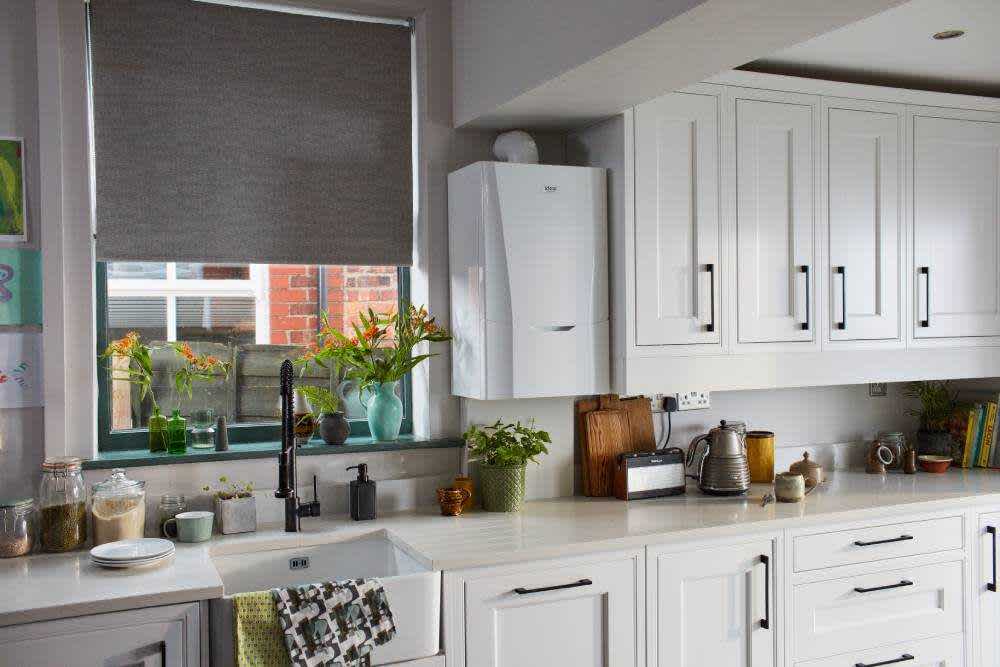
Keeping your new system running for the long haul
Once your new boiler is installed, the work doesn’t quite stop there. To maintain the manufacturer’s warranty and ensure the unit continues to run efficiently, an annual service is vital. During a service, an engineer will check the internal components, clean the burner, and ensure there are no leaks or safety issues. This preventative maintenance is the best way to avoid a breakdown in the middle of a January cold snap.
Many people also choose to install a magnetic filter alongside their new boiler. This clever device sits on the return pipework and catches any metallic debris before it can enter the boiler’s heat exchanger. It is a small addition that can significantly extend the lifespan of your system, ensuring that your home remains warm and comfortable for many years to come, regardless of what the Scottish weather decides to throw at you.

Henry Lawson is an experienced arts journalist specializing in music, film, and text-based art forms. His work centers on providing thoughtful analysis, artist interviews, and in-depth features that celebrate innovation and creativity across diverse mediums.